Most owners treat interior design as decoration, the finishing touch applied after the real decisions are made. For a short-term rental, design sets your nightly rate, your occupancy and your reviews. Here’s the reframe.
“Looks nice” is a business outcome wearing a disguise
Ask most owners what interior design is for and you’ll get a version of the same answer: to make the place look nice. The finishing touch, arriving after the real decisions, the mortgage, the location, the numbers, have already been made.
That’s the mistake. Design isn’t the decoration you add once the business exists. For a short-term rental, design is the business. It sets what you charge, how full you run, and whether guests leave saying they’d come back. Treat it as a cosmetic afterthought and you’re treating your single biggest performance lever as a line item to minimise.
A guest decides in three seconds, and design does the deciding
Here’s what owners miss. When they say a space “looks nice,” they’re describing a commercial event without realising it.
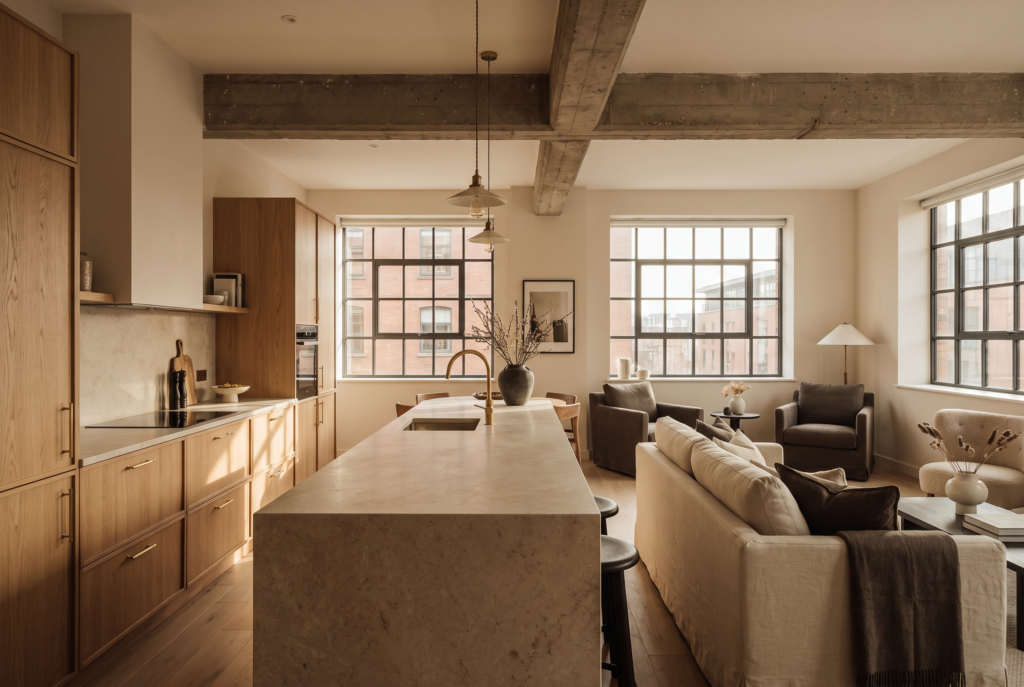
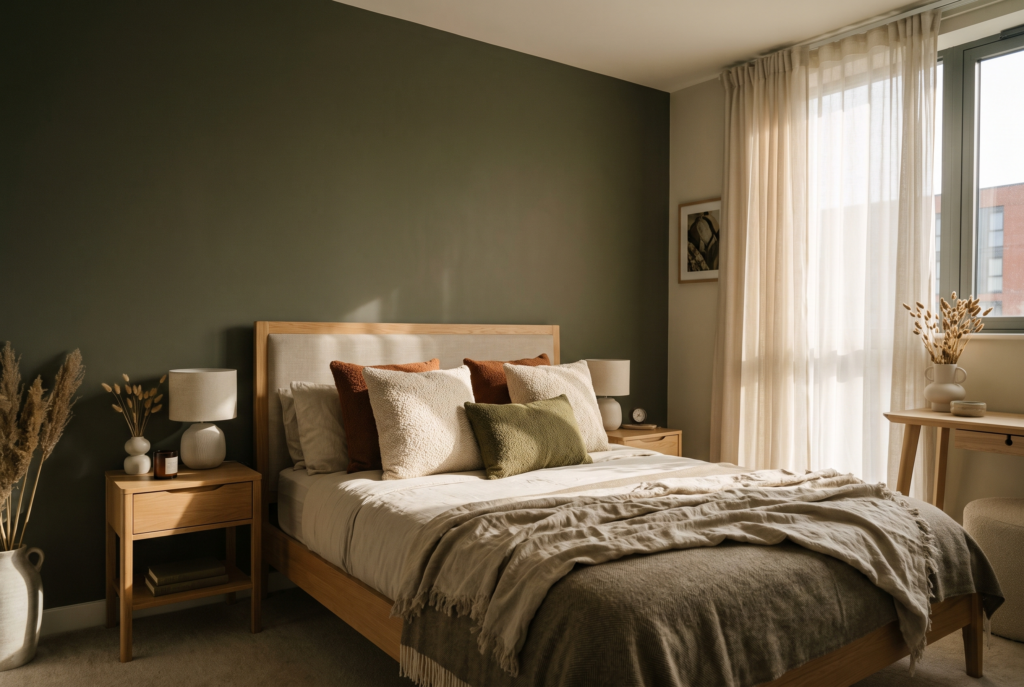
A guest scrolls 20 listings in a category. They stop on yours. They decide it’s worth more than the one above it, and they book. Every step of that is design doing a job: the stopping, the trust, the willingness to pay more. “Looks nice” isn’t vanity. It’s the moment a stranger decides your property is worth their money, made in about three seconds, entirely on how the space reads.
So the question was never “do I want it to look nice.” It was always “do I want it to perform.” Those are the same question. One just sounds like taste, and the other sounds like a P&L.
“The question was never “do I want it to look nice.” It was always “do I want it to perform.”
Corin Craig Jackson, Managing Director, Heim Studio
The cost you can’t see is still a cost
Design gets treated as an expense because its cost is visible and its return isn’t. You see the invoice for the furnishing package. You don’t see the invoice for the nights you didn’t sell because the photos read as ordinary, or the rate you couldn’t hold because the space looked like everyone else’s.
That second cost is real. It’s just silent. A property positioned to compete on how it looks and functions holds a higher nightly rate, fills its calendar sooner, and earns the reviews that keep both going. A property that skipped the thinking competes on price, because price is all it has left to offer. Under-investing in design doesn’t save you money. It moves the cost somewhere you can’t see it, and makes it recur.
A rental is neither a home nor a warehouse
Owners get this wrong at opposite ends. The first mistake is furnishing the property like a home, choosing what they’d personally live with. But nobody lives here. Guests arrive tired, knowing nothing, judging everything in the first 10 minutes. A home is designed for the person who already knows where the towels are. A rental has to work for the person walking in with a suitcase who doesn’t.
The second mistake is treating the place as a box to fill as cheaply as possible. That reads as ordinary on camera and falls apart under use, because a rental takes years of wear in months. Both mistakes come from the same root: not seeing the space as a commercial instrument with a job to do.
What changes when you ask the right question
Owners who make this shift stop asking “how much will design cost me” and start asking “what does this asset need to perform.” It’s a better question, and it usually leads to spending less, not more, because you stop paying for the wrong things: over-renovating spaces that only needed styling, or under-specifying the pieces that take the most contact and the most photographs.
A short-term rental is a business, and its interior is the part of that business the guest actually pays for. How it looks and how it performs were never two separate things. The sooner you see them as one, the sooner the asset starts working as hard as you do.
See your interior as the business lever it is, and rate, occupancy and reviews start moving together instead of against each other. That’s the return we design for on every Heim Studio project across Manchester city centre, treated as an investment case from the first sketch. Follow @heimstudiomcr or visit staging.heim-studio.co.uk for more, and if you want Heim Studio to design your space by becoming a HeimHost client, contact us today at hello@heimhost.co.uk or visit www.heimhost.co.uk.